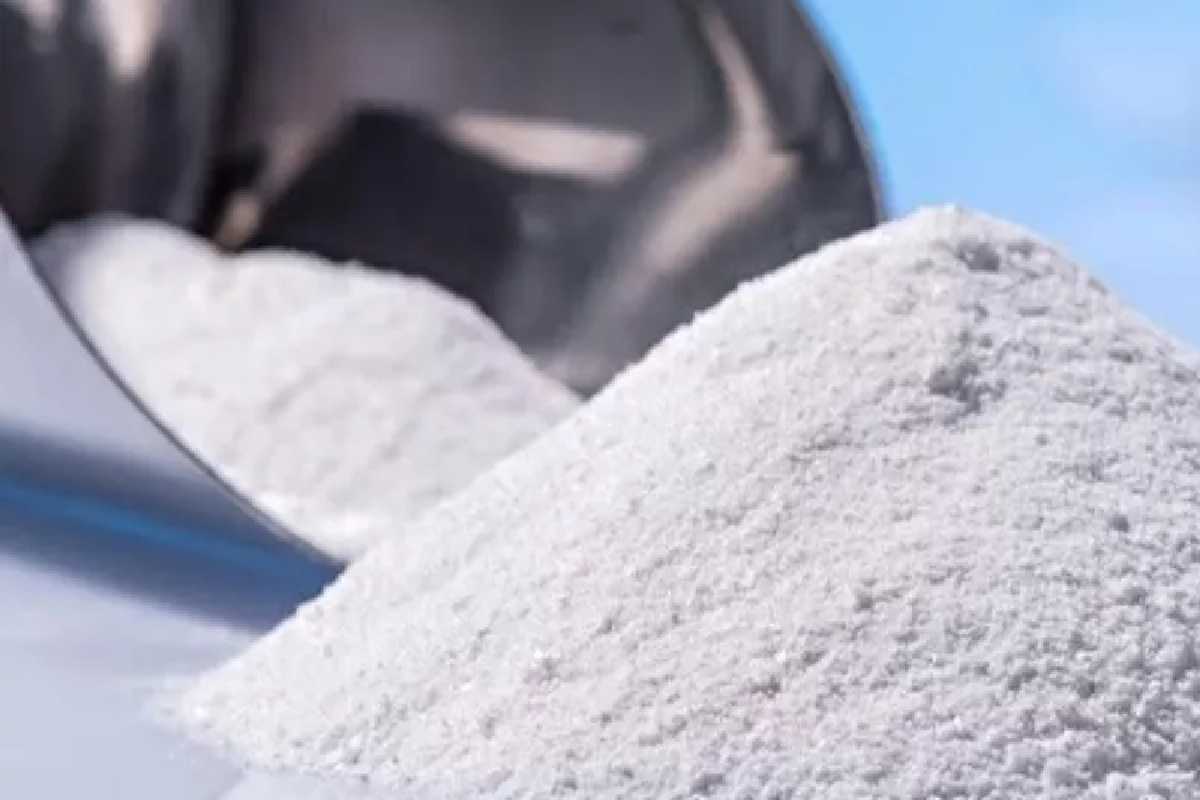

In the background of many modern technologies lies a material most people never see but increasingly rely on. From smartphones and LED lighting to electric vehicles and aerospace components, high-performance materials quietly enable innovation. Among them, High Purity Alumina Powder has emerged as a critical building block for advanced manufacturing, prized for its consistency, stability, and versatility.
As industries push toward smaller, more efficient, and more durable products, demand for materials that can perform under extreme conditions continues to rise. High purity alumina, refined to near-perfect chemical composition, has become indispensable across a growing range of applications.
What Makes High Purity Alumina Different
The Science Behind High Purity Alumina
High purity alumina refers to aluminum oxide that has been refined to purity levels typically exceeding 99.99 percent. This exceptional level of refinement sets it apart from standard alumina used in traditional industrial applications.
The performance of High Purity Alumina Powder stems from both its chemical composition and the precision of its production process. Advanced refining techniques remove trace impurities that could compromise thermal stability, electrical insulation, or chemical resistance. The result is a fine, white powder with a uniform crystal structure that performs reliably under demanding conditions.
Producing high purity alumina requires sophisticated technologies such as hydrometallurgical processing, solvent extraction, and multi-stage calcination. These steps ensure not only purity but also consistency, which is essential for industries where even microscopic variations can lead to failure. The science behind high purity alumina is therefore as much about process control as it is about chemistry.
Why Purity Levels Matter
Not all high purity alumina is the same. Grades are commonly classified as 4N, 5N, or higher, indicating purity levels of 99.99 percent, 99.999 percent, and beyond. These distinctions are far from academic. In high-tech manufacturing, purity directly influences performance, durability, and efficiency.
In electronics, for example, even minimal contamination can interfere with heat dissipation or electrical insulation, leading to reduced device lifespan. In optics and advanced ceramics, impurities can distort structural integrity or optical clarity. As a result, higher purity grades are often reserved for the most demanding applications, where reliability is non-negotiable.
Understanding these distinctions allows manufacturers to match the right grade of High Purity Alumina Powder to the right application, optimizing both performance and cost.
Expanding Applications Across High-Tech Industries
Electronics, Energy, and Aerospace
High purity alumina plays a central role in modern electronics. It is widely used to produce substrates for semiconductors, LEDs, and laser diodes. These components require materials that can manage heat effectively while maintaining electrical insulation, a balance that high purity alumina delivers consistently.
The global shift toward energy-efficient lighting has further expanded demand. Synthetic sapphire, often produced using high purity alumina as a raw material, forms the backbone of LED technology. This has made alumina an essential contributor to reduced energy consumption worldwide.
In aerospace, where materials must withstand extreme temperatures, pressure changes, and corrosive environments, high purity alumina is valued for its strength-to-weight ratio and thermal stability. Components made from alumina-based ceramics are used in engine systems, sensors, and protective coatings, supporting both performance and safety.
Growing Role in Automotive and Battery Technology
The automotive sector, particularly electric vehicle manufacturing, is increasingly turning to High Purity Alumina Powder. Alumina-coated separators in lithium-ion batteries improve thermal stability and reduce the risk of overheating, enhancing both safety and lifespan.
As electric vehicles become more widespread, demand for reliable battery materials continues to grow. High purity alumina supports this transition by enabling higher energy densities and more robust battery designs. Beyond batteries, alumina is also used in sensors and electronic control systems that demand consistent performance in harsh operating environments.
Catalysts and Industrial Chemistry
High purity alumina also plays a vital role in catalysis. Its high surface area and chemical stability make it an effective support material for catalysts used in refining, chemical production, and environmental applications.
In catalytic converters, alumina helps facilitate reactions that reduce harmful emissions. In chemical manufacturing, it supports reactions that can be carried out at lower temperatures and pressures, improving efficiency while reducing energy use. These properties make high purity alumina an important contributor to cleaner industrial processes.
As industries seek to lower emissions and improve sustainability, the role of alumina in catalytic systems is expected to expand further.
Environmental and Economic Advantages
Progress Toward More Sustainable Production
Traditional alumina production has historically been energy-intensive, raising concerns about environmental impact. In response, manufacturers are investing in cleaner technologies and alternative feedstocks to reduce emissions and resource consumption.
Innovations include recycling byproducts from aluminum processing, using renewable energy in refining stages, and exploring non-bauxite sources such as clay. These approaches reduce environmental strain while maintaining the high standards required for advanced applications.
As sustainability becomes a priority rather than an option, producers of High Purity Alumina Powder are under increasing pressure to demonstrate responsible sourcing and manufacturing practices.
Long-Term Cost Efficiency
While high purity alumina often carries higher upfront costs than conventional materials, its long-term economic benefits are significant. Improved performance leads to lower failure rates, reduced maintenance, and longer product lifespans.
In electronics manufacturing, higher yields and fewer defects can offset material costs quickly. In energy and industrial applications, efficiency gains translate into reduced operating expenses. For many industries, high purity alumina is not simply a premium material but a cost-effective solution over the life of a product.
These economic advantages are especially compelling in competitive markets where reliability and efficiency directly affect profitability.
Looking Ahead: The Future of High Purity Alumina
New Frontiers in Advanced Manufacturing
Emerging technologies are opening new opportunities for High Purity Alumina Powder. In nanotechnology, researchers are exploring alumina-based nanocomposites that offer enhanced mechanical strength and thermal performance. These materials have potential applications in aerospace, electronics, and medical devices.
Additive manufacturing is another promising frontier. Advances in ceramic 3D printing could allow high purity alumina to be shaped into complex geometries previously impossible with traditional methods. This capability may lead to customized components optimized for specific performance requirements.
As these technologies mature, high purity alumina is likely to become even more integrated into next-generation manufacturing.
Challenges That Remain
Despite its promise, the expansion of high purity alumina faces challenges. Maintaining consistent purity at scale requires significant investment in quality control and processing infrastructure. Supply chain dependencies, particularly on raw materials, also introduce risks related to availability and pricing.
Environmental concerns remain central. Continued innovation will be needed to minimize the footprint of extraction and refinement while meeting rising global demand. Collaboration between manufacturers, researchers, and policymakers will play a key role in addressing these challenges.
A Material Shaping Modern Innovation
High Purity Alumina Powder sits at the intersection of performance, precision, and progress. Its influence extends across industries that define modern life, from clean energy and transportation to digital technology and advanced manufacturing.
As demand for high-performance materials continues to grow, high purity alumina is poised to remain a foundational resource. Through ongoing innovation, sustainable practices, and expanding applications, it will continue to shape the technologies that drive the future.